
Mastering the art of bluffing in poker key tactics for success
The Psychology Behind Bluffing
Bluffing in poker is not merely a tactic; it is an intricate dance of psychology. Understanding your opponents’ minds and behaviors is crucial when attempting to deceive them. By observing their reactions and betting patterns, you can gain insights into their perceived strength. A successful bluff relies heavily on recognizing these psychological cues and manipulating them to your advantage. If you’re looking to explore your options, the CrazyTower casino site offers the resources to sharpen your skills.

Moreover, psychological resilience plays a key role in bluffing. Players must maintain composure, regardless of the tension at the table. This calm demeanor can influence opponents, making them question their own reads. By embodying confidence, you create an environment where your opponents are more likely to second-guess their hands, allowing your bluff to hold stronger weight.
Reading Your Opponents
To effectively bluff, you must develop the skill of reading your opponents. Every player has a unique style and approach to the game. By paying close attention to their betting patterns, physical tells, and overall behavior, you can gain valuable information that informs your decision to bluff. For instance, if a player is overly aggressive or has shown signs of emotional distress, it might signal weakness, presenting a perfect opportunity for your bluff.
Additionally, recognizing the types of players at your table is essential. Some may fold easily under pressure, while others might be more resilient. Tailoring your bluff strategy according to the players’ tendencies enhances your chances of success. Knowing when to push and when to hold back is key to mastering the art of bluffing.
Timing Your Bluffs
Timing is a crucial component of successful bluffing. Knowing when to execute a bluff can make all the difference in the world. Ideally, you want to bluff in situations where the board texture supports your story. For example, if the board shows high cards and you’ve been playing aggressively, opponents may find it easier to believe you have a strong hand.
Additionally, bluffing at the right moment can capitalize on opponents’ weaknesses. If a player has recently made a significant bet, they might be less likely to call another raise. Understanding the flow of the game and using timing to your advantage can turn the tide in your favor, making your bluffs more effective.
Building a Solid Table Image
Your table image significantly impacts your ability to bluff successfully. Establishing a reputation as a solid, reliable player can make your bluffs more believable. When you have a history of playing strong hands, opponents are more likely to respect your bets and folds. Conversely, if you frequently bluff without substance, players will catch on and begin calling your bluffs more often.
To build this reputation, consistency in your gameplay is vital. By mixing your strategy with both aggressive and passive plays, you keep opponents guessing. A varied approach helps you establish credibility at the table, allowing for more successful bluffing opportunities as your opponents perceive you as a player who can genuinely hold strong hands.
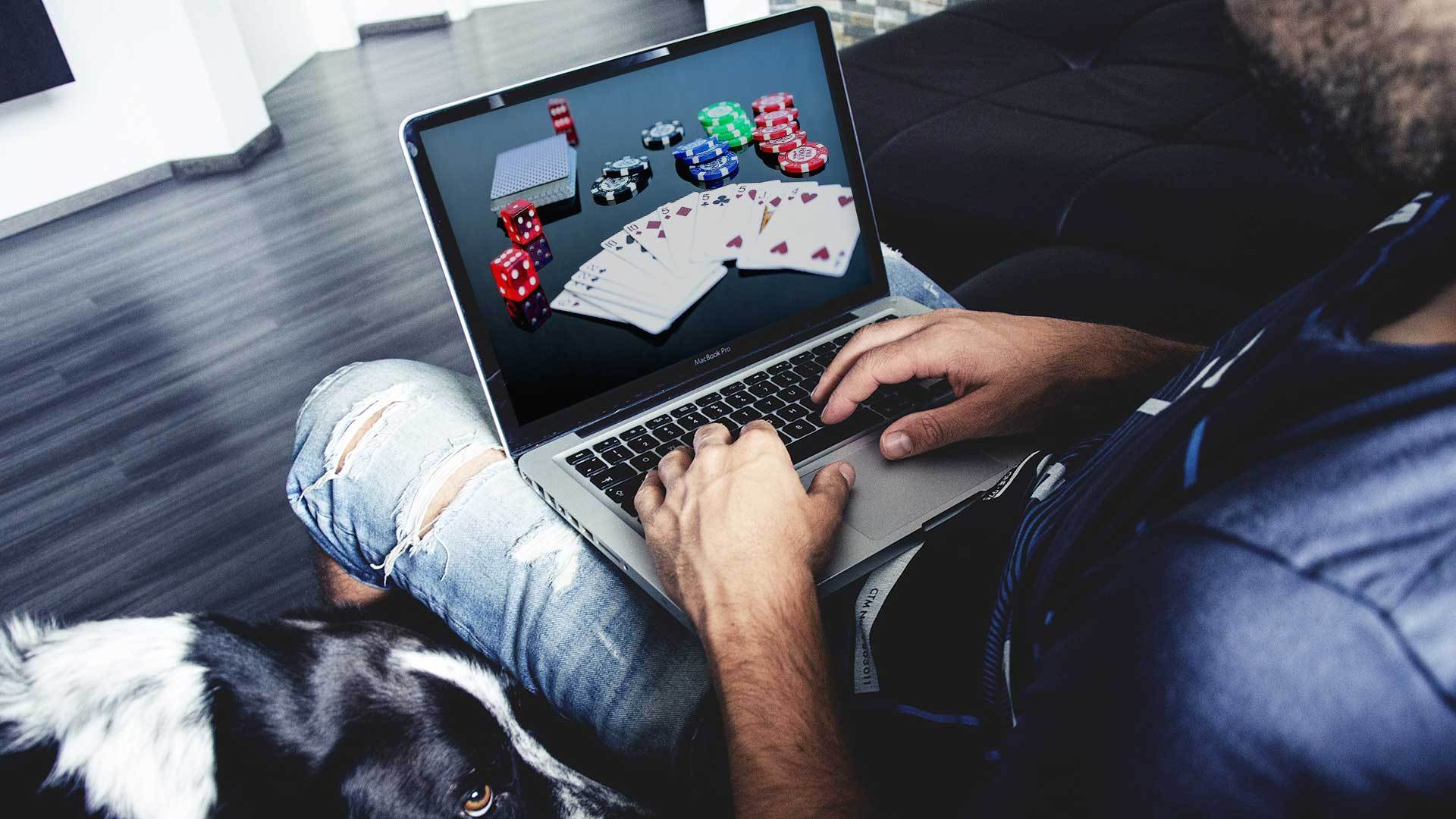
Join CrazyTower for a Premier Poker Experience
If you’re looking to master your poker skills, including the art of bluffing, CrazyTower offers an exceptional platform to enhance your game. With a wide selection of poker games and a community of players eager to challenge you, the experience is both educational and thrilling. The secure environment provided by CrazyTower ensures your focus can remain solely on the game.
As you hone your bluffing tactics and psychological strategies, take advantage of the features available on CrazyTower. Whether you are a beginner or an experienced player, our resources and community support will help elevate your game and bring your bluffing skills to new heights. Join us today and start your journey toward poker mastery!